
Youth guidance and leadership challenges in Australia today – Father Gavril Galev
~+~
Introduction
Contemporary Australian society is modern, Western and a secular society. It is a multi-ethnic and multi-religious but despite these freedoms, there is a noticeable decline in organised religiosity and rise of the apostate patterns. It is a world of inverted values in which the virtuous sacramental life in prayer and abstinence has been replaced by false spirituality, a consumerist demand of the syncretic and neo-paganisms of the new age.
For us, the Christians, Christ is the centre of the world and without Him this world is outside gravity, and the Orthodox Church is the only place and way of real life.
Christianity as an organised religion s also affected by the above mentioned decline: according to statistics, the number of Christians decreased from 66% in 1996 to 57% in 2006 (R, Webber, 2010, p.204)
The young person is, most of all, exposed to various of interests and manipulations, therefore there is the need to take care of him in the most responsible way and for the sake of future generations. The aim of this paper is to reflect on youth guidance and leadership challenges in Australia within the orthodox context. Firstly, I will define leadership, Christian leadership and youth Christian leadership. Then I will highlight those types of leaderships that are most relevant to youth leadership and lastly, I will look at the youth leadership characteristics, challenges and obstacles. Once completed, we will provide our view on the characteristics of the Christian Youth Leader.
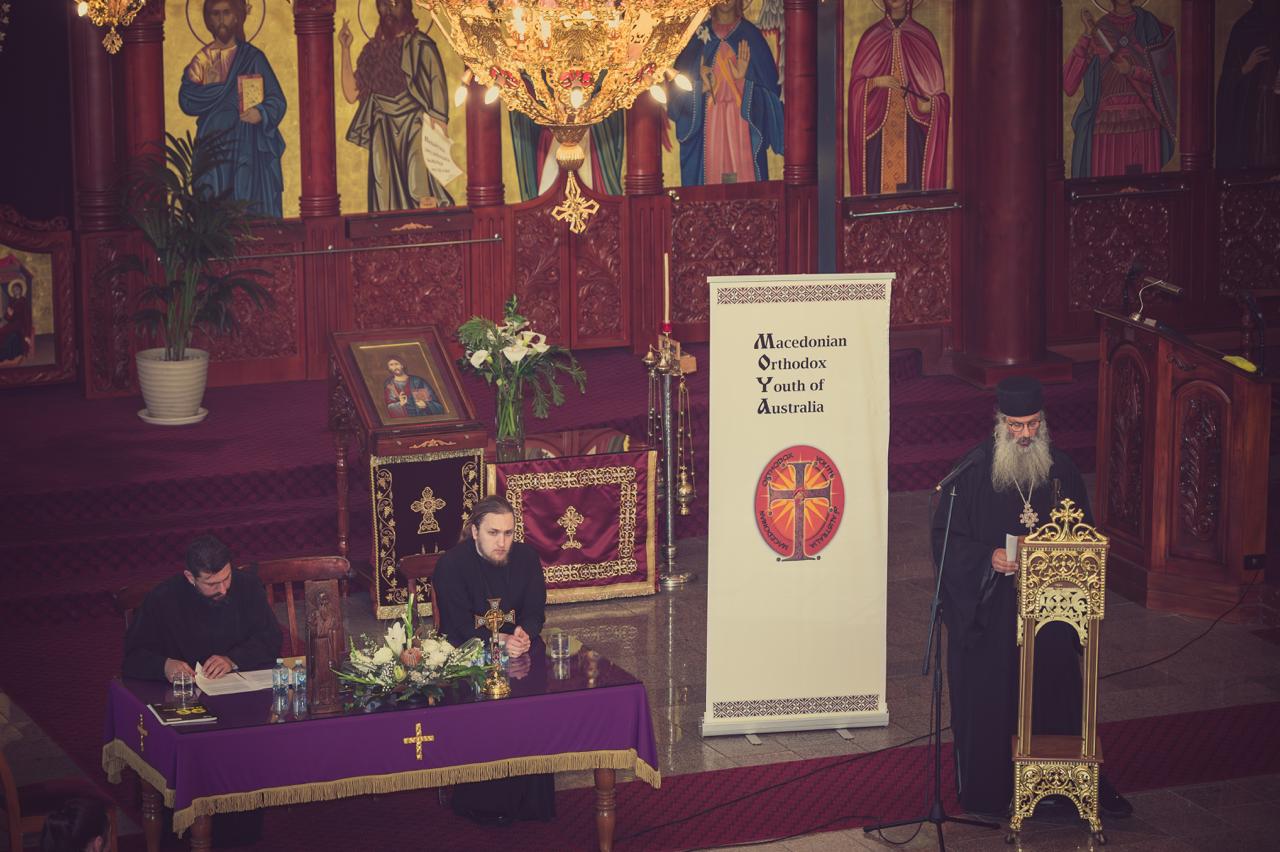
In this study I utilised my modest experience in running the Macedonian Orthodox Youth of Australia (MOYA), which I briefly reflect on. For this purpose, I also did research within the board of MOYA members by creating a survey on this topic in order to measure the views, options, beliefs, perceptions, about Christian leadership of the youth in the Church. This research may not be considered as the most valid for the whole youth due to involving exclusively MOYA members; however, a young person mostly has the same common characteristics and needs of any other youth group.
Definitions and types of leadership
Leadership is a process of an individual social influence, which maximizes the efforts of others, towards the achievement of a common goal, stems from social influence, not from positional authority or power (K. Kruse, 2013). Leadership is one of the keys to the successful achievement of the human goals to make positive changes and make the world a better place for life. (Ph. Hufges, 2015, p.1) Our interest is Christian Leadership, the true foundation begins with the person and the attitude of Jesus Christ (D. Christian, 2010, p.72). As there are only a few Christian scholars who researched the Christian side of leadership, and with the Orthodox domain even less, there aren’t a lot of definitions about Christian leadership.
Deacon Peter M, Danilchick is one of them and according to him, Christian leadership is the conscious working together in faith and in love, in a communication of the Christians to do God’s will and to attain to the kingdom of God. (P. Danilchevick 2016, p.18), or Henry Richard Blackbird would say: “Leadership is moving people to God’s agenda.” (B. Owor, p.2). For the purposes of this assessment, I will use this definition.
Thеre are six common goals, according to Danilchick.
• Christ and his kingdom
• Knowledge of oneself (examine and rediscover our values)
• Love for others (focus on, care on and love others)
• Humility (be humble)
• Service (desire to serve, not to be served)
• Steadfast love (remain steadfast in tough times)
American Roman-Catholic theologian, Arthur Canales proposed eight models of Christian ministry: friendship, spiritual awareness, servant-leadership, liberation, biblical-hermeneutic, liturgical-initiation, social justice and Christian discipleship model (R, Webber, 2010, p.205), with four out of the eight as most prominent: social justice, Christian discipleship, friendship and liturgical-initiation thought Ruth. (R, Webber, 2010, p.209). The same author suggests four models of leadership which offer a positive attribute and implication for Christian leadership youth ministry. There are: servant, moral, spiritual, and transformational leadership. (A. Canales, 2014, p. 25)
1. Servant Leadership
Greenleaf states that “the great leader is seen as servant first, and that simple fact is the key to greatness” (A. Canales, 2014, p.30); following the example of Christ who came to serve the world so that through Him the world might be saved.
2. Moral Leadership
Even Jesus never declared himself a moral leader, but He lived a righteous and morally upright life that exemplified the virtue of moral leadership. All His Gospel preaching, and especially the Beatitudes (Matthew 5:1–12), which represent the New Testament commandments, themselves call for a high-moral life.” (A. Canales, 2014, p. 32)
3. Spiritual Leadership
Jesus is the spiritual master and leader for all to emulate. The Spiritual Leaders have strong experiences of God in their inner life (spiritual practice) (A. Canales, 2014, p. 34)
4. Transformational Leadership
Transformational leadership is a process that has the potential to change and ultimately transform individuals, groups, and organisations. (A. Canales, 2014, p.32)
In this place he also counts the charismatic leader who leads from the front, that is, the leader excites, motivates, inspires, and is the “face” of the organisation. The charismatic leader energises, engages, and directs the leadership process within a group. (A. Canales, 2014, p.32). In my opinion, with the charismatic can be an obstacle, because through charisma, people become connected mentally and emotionally, which can take the leader and the members in the wrong direction and have consequences.
Youth Leadership characteristics, challenges and obstacles
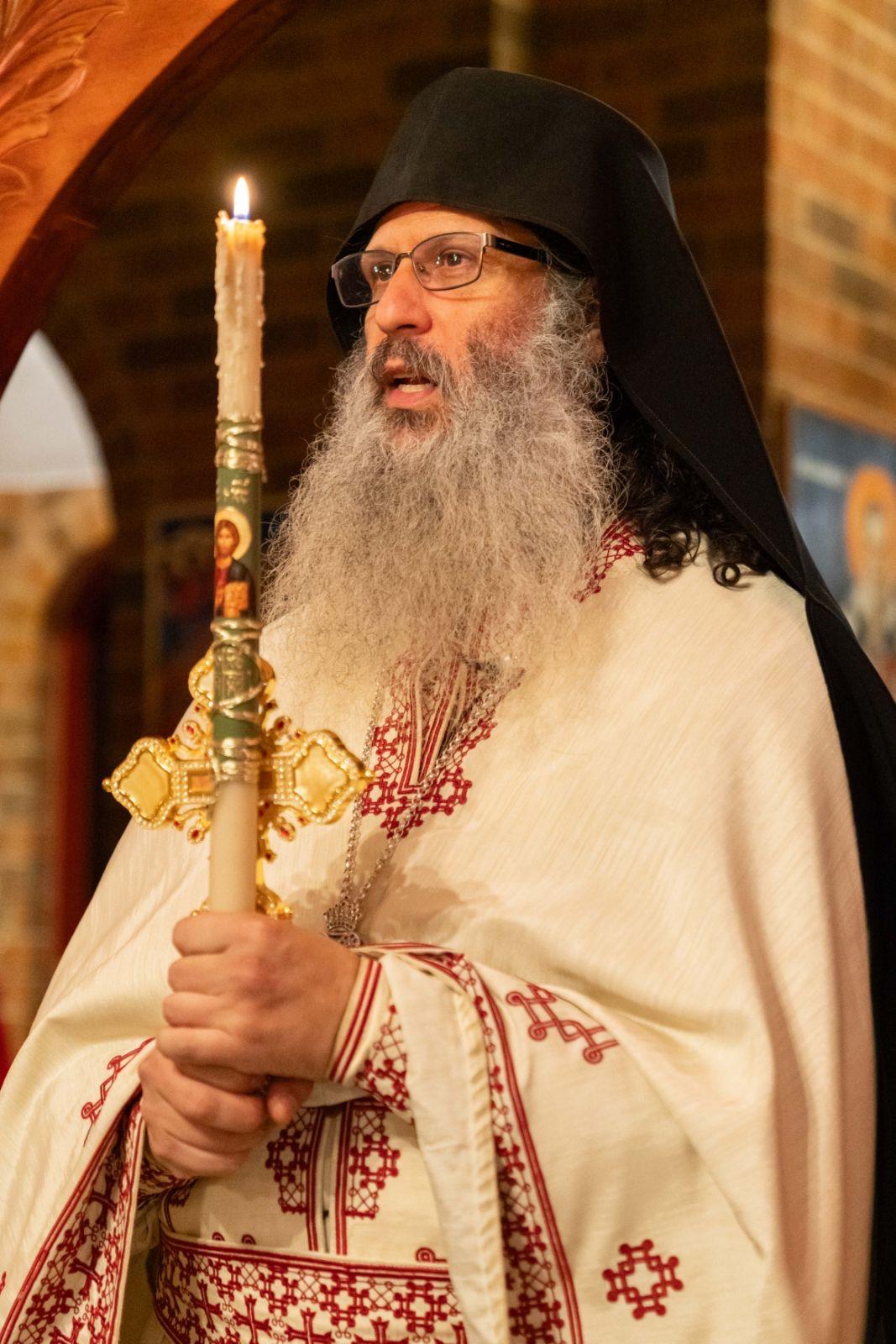
The Christian leadership is a service of the Church and within the Church. Church is a place and way of life that leads towards eternal life in communion with the living Trinitarian God. The liturgy is the centre of the pious Christian life and the union of man with God. The priest, meaning the bishop first, is the one who presides over it, i.e. leads the Liturgy, and because of that, the leadership in the Orthodox Church has a Hierarchical clerical character. Consequently, the youth, as an inseparable part of the whole Church, canonically is to be led by the clergy.
This type of arrangement is not only canonically accurate, but reasonable too. Young people want to be responsible, involved, to create and prove themselves. No matter how much maturity they show, they still lack the experience for such responsibility. As they are going through the process of maturation, they often do not know how to set boundaries and can step outside those. Practically, a leader means a guide, and a leader can only be one who has been through (gained experience) and who knows the way to a certain goal. (N. Ilievski, 2010, p.119). This is argued as the need for “The youth minister [to] act not primarily as a program manager or instructor, but as a spiritual guide” (M. Hryniuk, 2006, p.147).
There is a risk of deviation in this type of leadership when the clergy would take full control of the organisation that could potentially lead to its decline, or demise. The broadest context of this approach is understood in terms of spiritual formation—opening and awakening the spirit of the young person to a different way of being, seeing, hearing, and knowing that is sensitive to the divine presence in all creation, beginning with oneself. (M. Hryniuk, 2006, p.149)
Another reason for this is the modern-day heresy of the clericalism, and elitism of the clergy as a kind of papism, and everything was reduced to one person, most often the bishop, upon whom everything depends. This has been shown in many cases and quite negatively because it manifests radical interaction, power and persuasion, which occur due to lack of dialogue (Ph. Hudges, 2015, p.6).
The clergy has to be very supportive of the youth, have more trust and give them workspace. They need to have space to enact their agency. The spiritual leader should give the youth more freedom and responsibility to manage their group and to organise the events. From our experience, in the beginning we held on to a stricter control over the youth. Later, looking at their needs and requirements, I realised that it was a mistake. Hence, I gave them more freedom and that proved to be very effective. All of their events were attended by a larger number of visitors and participants and what was surprising was that they were mostly new people. For example, the last annual seminar, before the Covid 19 situation occurred, was attended by 120-150 people. The young people later on informed us of their impressions and quality of the organised event, even 68.75% of them voted for “excellent” and 25% for “very good”. However, due to their youth and inexperience, they should not be given complete freedom and control.
Therefore, I believe that it is most practical for the priest to be a spiritual leader who will oversee the work of youth organisations, regularly participate in the main meetings and will lead them spiritually, so that the organisation can have its own coordinator and a board. (Ph. Hudges, 2015, p.3)
A distinction should be made between the spiritual leader of the youth organisation and the coordinator, i.e. the elected president from the members who will mediate between the spiritual leader and the members. Their role, with the cooperation of the spiritual leader, will focus on leading the activities of the organisation for future progress and towards achieving the common goal.
There is another problem in Australia as a multiethnic country, and that is the strong ethnic implication in the Churches. In Australia there are 563 100 Orthodox Christians, which is 2.6% of Australia’s population, 300 Orthodox parishes under 7 different jurisdictions. (Orthodox Wiki) All of them have a strong ethnic character that limits the mission of Evangelization and closes the door on those who do not belong there ethnically.
There is beauty in nurturing and respecting the ethnic origin, because its humanly ethical to remember your own roots and nurture your own tradition, but somehow a module must be found where the ethnic character of the church community and the need for essential universality (catholicity) of the Church will be balanced, so the ethnic origin of the young people not to be an obstacle to enter the community and something to make them feel uncomfortable.
Working with young people also offers many challenges and temptations. The church is not very relevant today, and that is why young people consider that “church is boring” and “irrelevant” (M. Hryniuk, 2006, p.143). The role of the Christian leadership is to bring people together for fellowship, so that the “Church might look for new ideas and a new vision through the appointments of those youth ministers who had had experience elsewhere” (Ph. Hudges, 2015, p.5) and their work will not contradict the dogmas and canons of the church. So, he will need to find creative ways of engaging, challenging, spurring them to achieve more.
Leaders should not only find actual influence tactics but findan interesting way to attract young people to church life, through mix of entertainment, recreation with Bible studies, prayer, catechesis, missions’ trips and service. “It seeks to entice young people into church life through a panoply of exciting events, programs, and activities that often offer pizza or some other delicious food to increase turn out.” (M. Hryniuk, 2006, p. 142). Budgeting and financing are a very important factor in the ministry. To my surprise, in a survey I conducted among the youth of MOYA, this issue was emphasised by many and in many places.
Most often, youth groups are financially very weak and dependant of their activity and ability to attract a state grant. An equally important question is whether the church leader should be paid and in what way? And that depends on the character of the group. The most graceful and closest to the gospel spirit is the church leader to work part time as a volunteer, but for greater efficiency it may be necessary to receive some compensation.
The researcher Rev. Professor Philip Hughes considers that “Investment in youth ministry is critical for faith and spiritual well-being of youth in our society. We need to invest more financially in youth (Ph. Hughes 2014, 7). In most cases, the church as an institution invests very little financially towards youth capacity development.
The Christian youth leader
Based on the evidence collected from the above mentioned survey, in my perception I will elaborate the characteristics of the Christian Youth Leader.
Only Christ is the perfect example of an ideal Leader, pinnacle of perfection and the only landmark for all others. Therefore, according to how similar or different a leader is to Christ, he is either a good or a bad leader.
As we mentioned in the previous chapter, we need to distinguish between a spiritual youth leader, one who leads the group spiritually and liturgically, and of course decides and gives blessings for the most important decisions, and a youth leader who, by way of a democratic vote of the general assembly is elected by all members. In my option the youth leader should be for a period of a two-year term and no less, with the possibility of being re-elected for another two years. He will have the role to coordinate with the youth, hold meetings, maintain contacts with other youth groups, represent the group before other groups and institutions, initiate actions and have regular contacts with the spiritual leader, from whom he will receive the necessary advice, coordinates and blessing at work.
First of all, the spiritual leader has to be an authentic leader, aware of their own and others values/moral perspectives, knowledge, strengths, how they think, behave and are perceived by others, they sympathize, understand and know their needs and how to easily approach the young people. Preferable is to be a young priest in age yet a mature adult.
He will also need to be sufficiently spiritually experienced, and to have a blessing from God through the obedience of his spiritual father. In this way he becomes a transmitter of the tradition and a collaborator in God’s plan. This is captured by Nahum: “The vain man gathers men around him, whilst the humble man gathers others around God. That is why it is necessary for him to be dedicated and patient showing humility and love, and to lead them not for his own glory, but for the glory of God and for the good of others”. (N. Ilievski, 2010, p.59)
“Experience with the appropriate knowledge which is the best teacher” (D. Christian, p, 3) The experience gained, not so much learned from a book, but above all from personal experience in the spiritual life, gained from communion with the Holy Spirit in the Church. To influence, not only with expert power, but with referent power. Power that comes from/through the Holy Spirit who enlightens such a leader and reveals to him how to properly manage the organization. That knowledge is essential, true leadership. Leadership that convinces us not so much with wisdom and logic, but with a word in force that reaches the essence of the heart and mind of the one who hears and brings light of knowledge and motivates him to fulfil it. (N. Ilievski, 2010, p.119)
The good leader has to possess referent power of influence
and to create a good atmosphere for successful work. That atmosphere primarily depends on the leader. Therefore, the leader should have leadership skills to know to lead a group successfully and with harmony. Trust is a very important thing, because it brings freedom and security/certainty. Honest, trustworthy, respectful. Easy understanding. Open minded in communication to be able to talk and relate to youth. It is essential for a leader to be honest, trustworthy and respectful. He needs to be relatable, easy to understand and open minded in his communication with youth. He has to be compassionable and resilient. Not extremely lenient, but something when it’s needed be a firm character and with authority.
The spiritual leader needs to humble himself enough and lower himself to the level of others: “To move from top to bottom” (B. Owor, 4).
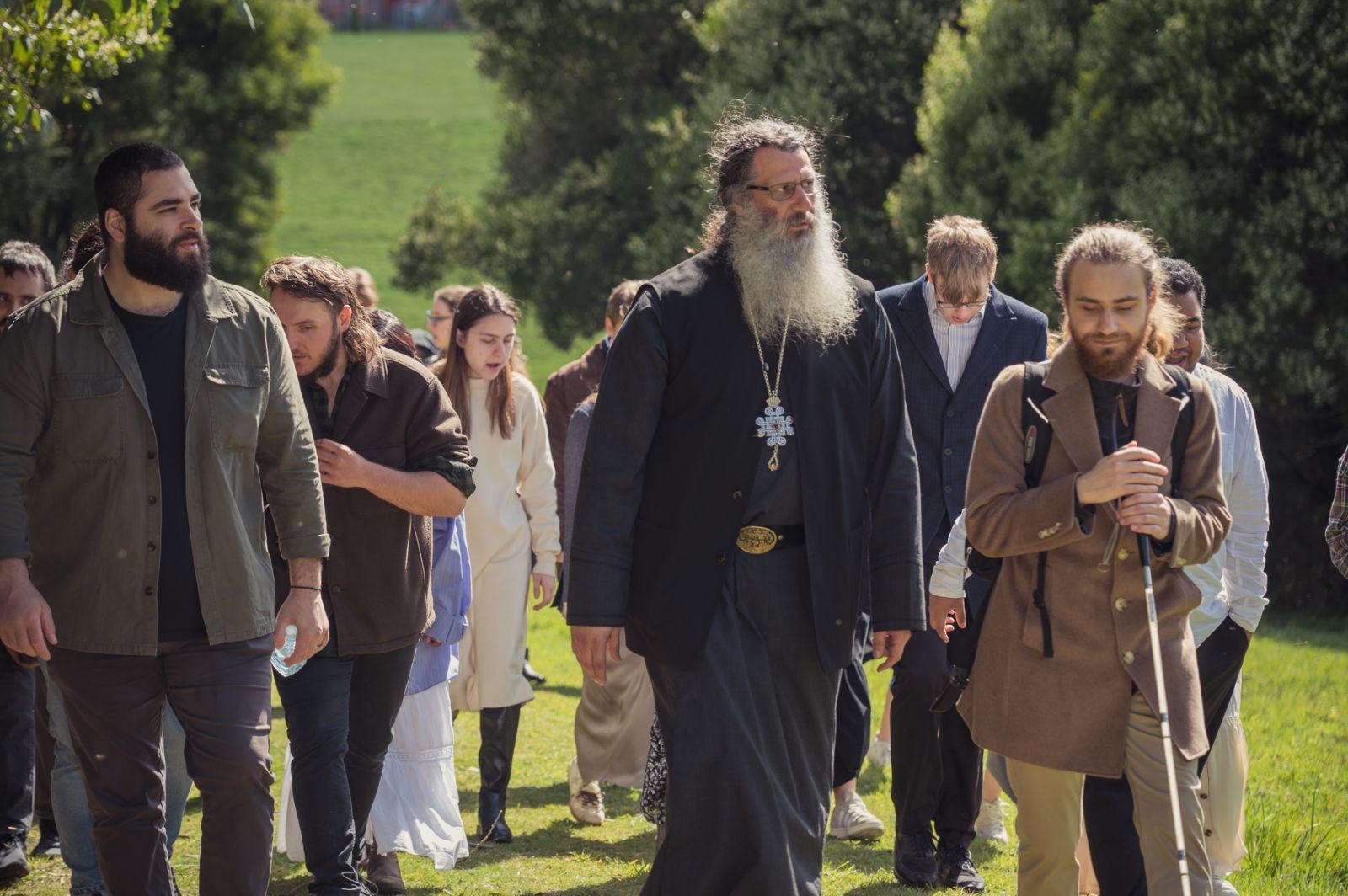
A spiritual leader should take time to get to know the youth and understand how to balance different personality types. A spiritual leader needs to have the Legitimate power and ability to delegate tasks by recognizing the individual skills and strengths within the group. Then he can manage the group based on the roles and needs. Everyone should fill comfortable and as a part of it.
Personal relationships within the organization need to be based on love, respect and trust, to be as a family, so they can thrive. The spiritual leader should be a friend to young people, so they can feel free, and with that their maturity and responsibilities increases within the group. The leader should not be vain and self-confident, but to have ability to criticize and to show compassion and be open to work as part of a team. He needs to be an authority who will stand firm and have a clear vision and willingness to make decisions based on the bigger picture. He needs to be stable and determined. The leader should be able to define, analyse, gather information, line up alternatives, compare various alternatives, calculate the risk of each alternative and select the best solution for the issue at hand (B. Owor, 3
The indicator of successful leadership is where teenagers you’ve had in a youth group after 10 years. (R. Webber, 211). This statement is true because I have seen spiritual leaders who, after 10 years of working with 30 or more students a year, have failed to maintain a liturgical life. It is legitimate leadership. It consists, as Metropolitan Nahum notes, of the “Substantive Leadership” of “ordinary leadership”.
Macedonian Orthodox Youth of Australia (MOYA)[1]
Finally, in this chapter I want to leave space for a youth organization and its example, as a true reality and example of the topic we are talking about.
Macedonian Orthodox Youth of Australia (MOYA) started small, and now it’s a significant organisation of the Macedonian youth. MOYA’s main purpose is to enlighten the soul through religious education and also to organize and attend spiritual journeys, socialize in activities and meet new people.
Every Thursday evening, we had weekly religious education meetings divided into two parts. These meetings always began with prayer. The first part was dedicated to bible studies (synaxis), while the second part was about the activities of the group. Those meetings were a real feast for us because in the end we finished with sweets and some Macedonian traditional food. Sticking to the practice of St. Paul, I was everything to everyone just to get them to Christ, we tried not to stick to too much formality in the strict barriers of formalism, but to create an interactive relaxed friendly atmosphere in which everyone will find themselves at home among their own.
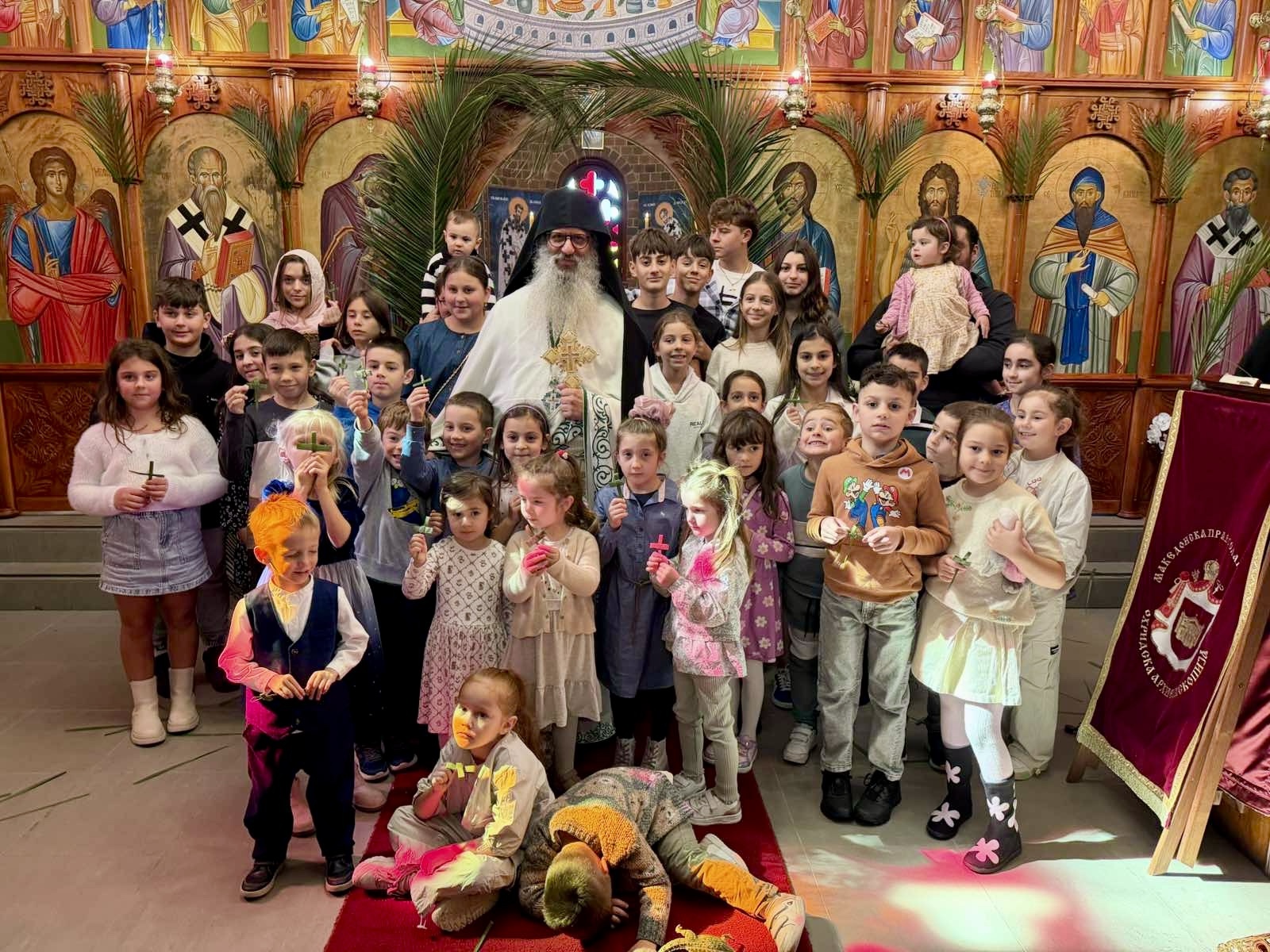
According to the same sacred Paulian principle, I deliberately learned jokes, became interested in music, followed sports, because there were children who wanted jokes, some sports, others music, etc. Often, in order to encourage them to read more spiritual literature at home and to spend their time usefully, I would give each one a book and after a while I would ask them to do a presentation on it, and in order for them to pay attention and make an effort, after we finished a cycle of lectures, I gave them “homework”. To arouse more zeal and motivation, I occasionally gave them a competition, so that they could choose a topic at home and write an essay.
This is how we spent the weekly period from Thursday to Thursday, from synaxis to synaxis, as well as from week to week, from liturgy to liturgy, from holiday to holiday.
The monastery St. Prohor Pchinski in Donnybrook, Melbourne had enough space for everyone, especially for the children to play, especially since there were many animals for them to enjoy. Parents were also involved in many MOYA related activities.
We often organized various sports gatherings, movie nights, fundraising dinners, and often hung out outside the monastery, organizing annual walks in the snow, visiting famous places and going on a picnic in nature and other activities. Evidence data: annual community picnic at the Donnybrook St Prohor Pchinski Monastery held on 25th of December, where youth were heavily involved in the organisation and the ground work of the event (attendance of 4000 people)and other picnic events throughout the year, Annual Food Festival on St Elija on the 2nd of August, Youth Snow Trips to Mount Bulla, Annual MOYA Seminars where the third day of the Seminar of the recreational character where all youth members got together, Annual Heritage week participations, Iconography school St Theophil Strumichki had presentation on Heritage Week and numerous other events.
Annually on the day of St Elijah[2], the youth presented the Macedonian culture through games such as chess and football and preparing the best Macedonian cuisine. Regularly we were also part of the Annual Heritage week from the local council with a traditional cultural presentation on the day.
MOYA also aimed to continue to be active in social platforms such as Facebook https://www.facebook.com/MOYA.MPC and on Instagram https://www.instagram.com/moya.mpc/ to share our events and activities as well as an opportunity to educate others about the Orthodox faith. Through МОУА we organised an Icon painting School, and the MOYA members were part of the Church choir.
However, MOYA was most recognised for the annual MOYA seminar organised every year, where a large number of Orthodox faithful from across Australia would come together to learn about their faith. These seminars were organised by the youth that would arrange lectures on a particular topic, to be presented by the Macedonian Orthodox clergy in Australia. Also we would have guest speakers from other sister churches.
Conclusion
Leadership is a social process that initiates movement and progress. Christian leadership is a spiritual process whose sphere of progress transcends the boundaries of this world and age. Youth is the epicenter of that movement. If that epicenter is good and stable, then the whole world will be safe. This means that WE need to think seriously and pay attention to youth leadership. Therefore We need to recognize our strengths and use them in a way to motivate one another. Set goals. Share responsibilities and give new people a go. Be supportive of teaching one another a skill you may have that they lack. Have a plan for a year ahead. Recognize how much time and commitment is required for those plans. Don’t overcommit. This paper makes a small contribution to research in the field of Christian youth leadership.
Professor: Rdr Erich C. Fein
Student: Fr Gavril Galev
St. Cyril and Methodius Orthodox Institute – Adelaide
Semester 2, 2020
Bibliography:
Canales, Arthur D., “Model of Christian Leadership in Youth Ministry”, Religious Education, 109: 1, (2014). 24-44,
Christian Donald, “Developing Youth for Christian Leadership”, Youth Source, 01, 29, 2010
Danilchik, Peter. M, Thy Will Be Done, Strategic Leadership, Planning, and Management for Christians (New York: SVS Press, 2016)
Hryniuk, Michael, “Creating Spase for God: Toward a Spirituality of Youth Ministry, Religious Education, 100:2, (2006). 139-156,
Hughes Philip, “Youth Leadership”, Pointers: Christian Research Association, Volume 25, No. 4, (2015). 1-7
Ilievski, Nahum, The word from Vodocha (Monastery of the Most Holy Theotokos Eleusa: Library of Eleusa, 2001)
Ilievski, Nahum, Yоu know not what manner of spirit you are of (Monastery of the Most Holy Theotokos Eleusa: Library of Eleusa, 2010)
Kelly, Matthew, “Redicover Chatholism”, Beacon Publishing, 2015
Kruse, Kevin, “ What Is Leadership?”, Forbes, https://www.forbes.com/sites/kevinkruse/2013/04/09/what-is-leadership/#32f69a315b90 (assessed Apr 9, 2013)
Macintyre, Alasdair, “After Virtue, a Study in Moral Theory” Notre Dame, University of Notre Dame Press, 2007, https://epistemh.pbworks.com/f/4.+Macintyre.pdf
Mayne, Johan,”Critical Assisment”, Maluon College, 28, 05, (2005)
Orthodox Wiki, Statistics of Orthodoxy in Australia, https://orthodoxwiki.org/Statistics_of_Orthodoxy_in_Australia
Owor, Bazil. O, “Young People and Christian Leadership in Catholic Church in the Twenty First Century”, Academia, https://www.academia.edu/27398832/YOUNG_PEOPLE_AND_CHRISTIAN_LEADERSHIP_IN_THE_CATHOLIC_CHURCH_IN_THE_TWENTY_FIRST_CENTURY
Walumbwa, Fred; Avolio, Bruce; Gardner, William; Wernsing, Tara; and Peterson, Suzanne, “Authentic Leadership: Development and Validation of a Theory-Based Measure” (2008). Management Department Faculty Publications. 24. https://digitalcommons.unl.edu/managementfacpub/24 (assessed February 2008)
Webber, Ruth; Singleton, Andrew; Joyce, Marie R. and Dorissa, Arrigo, “Models of Youth Ministry in Action: The Dynamics of Christian Youth Ministry in an Australianj City”, ACU Australian Catholic University, 04:03 16 Maj, 2011
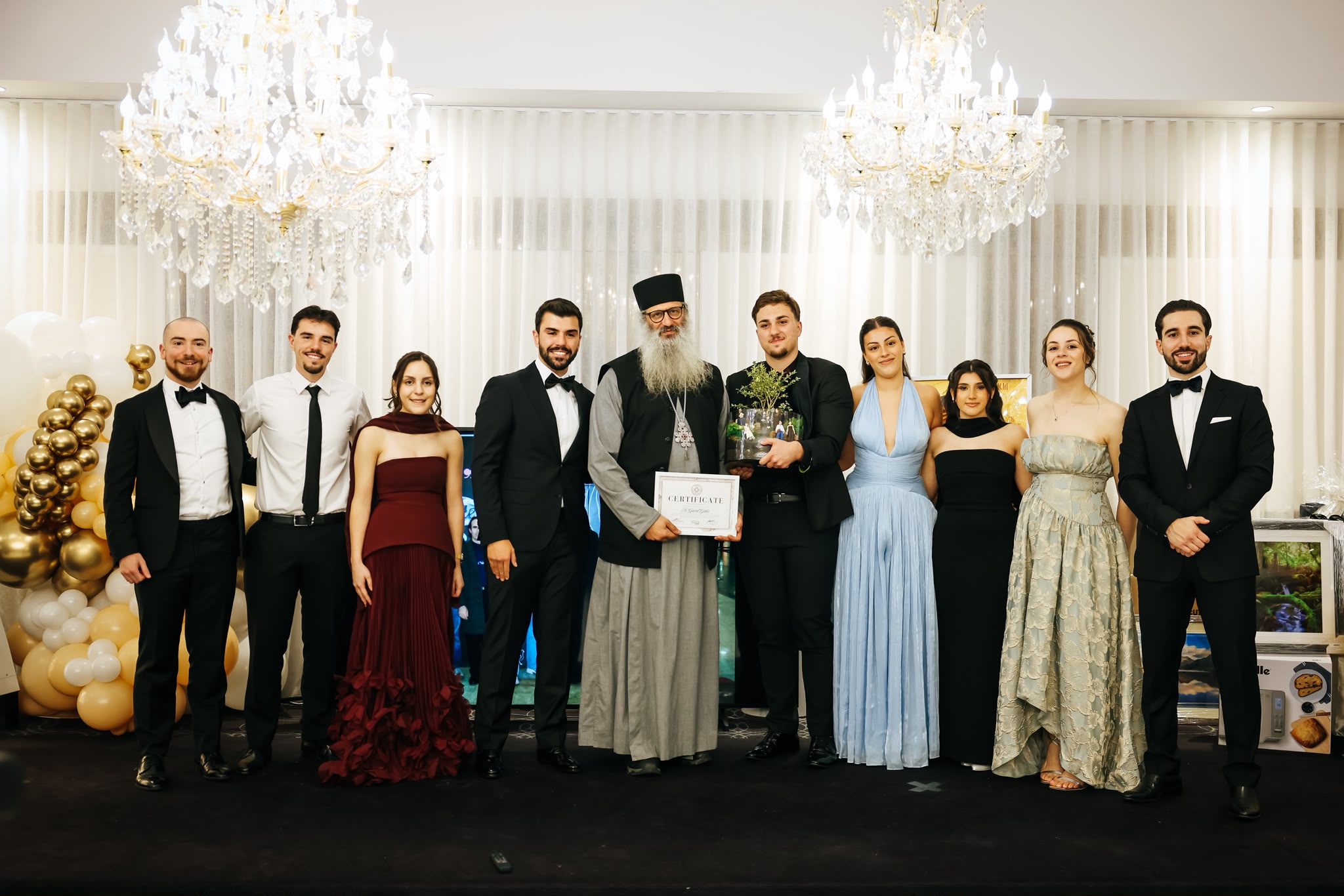
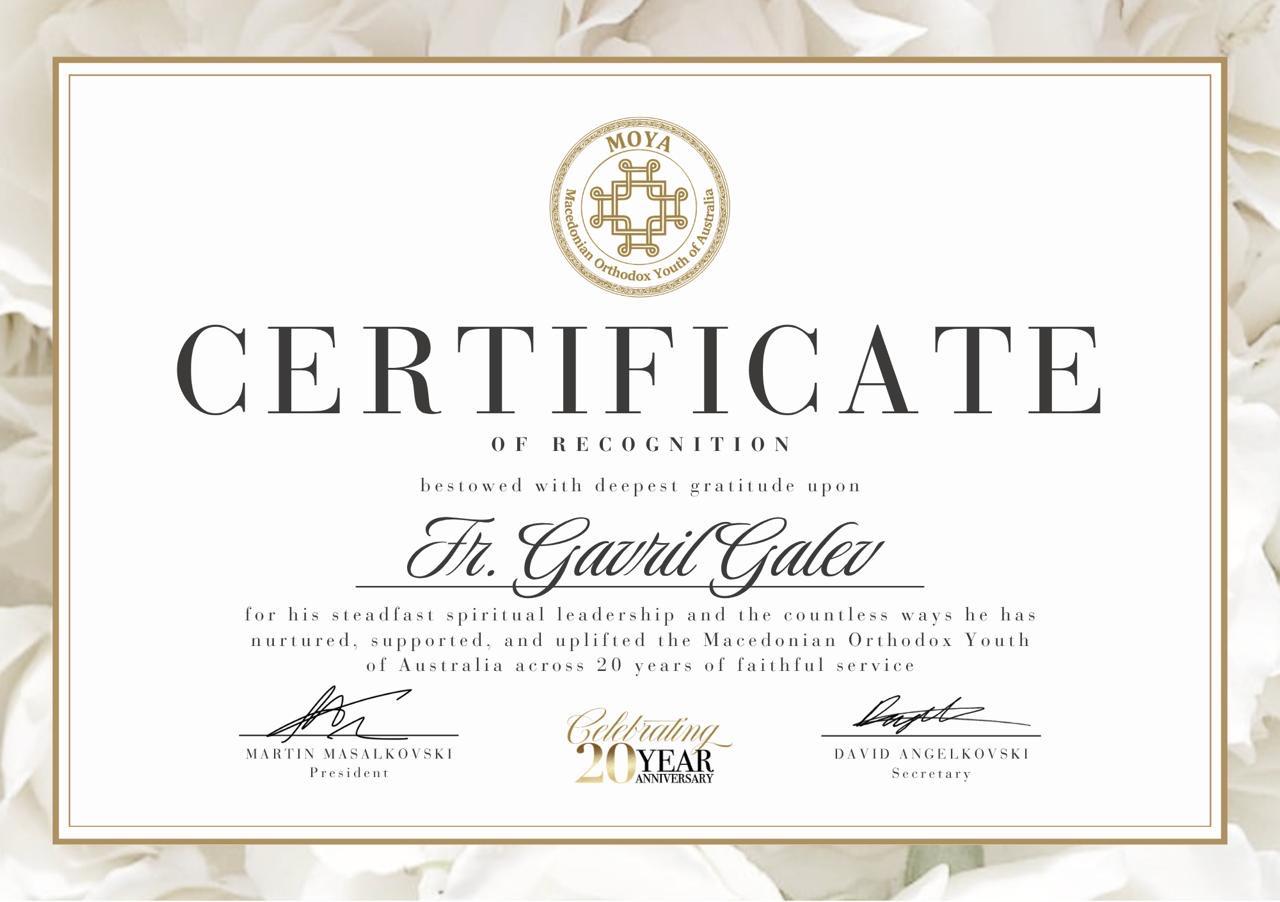
[1] MOYA, Macedonian Youth of Australia was established in 2006 in Melbourne by a small group of enthusiastic youths who are under the spiritual guidance of Abbot Fr. Gavril Galev. The Majority of the members are from Melbourne but the organization expanded to Sydney as well.
[2] St Elijah or Ilinden is national feast day for the Macedonian
